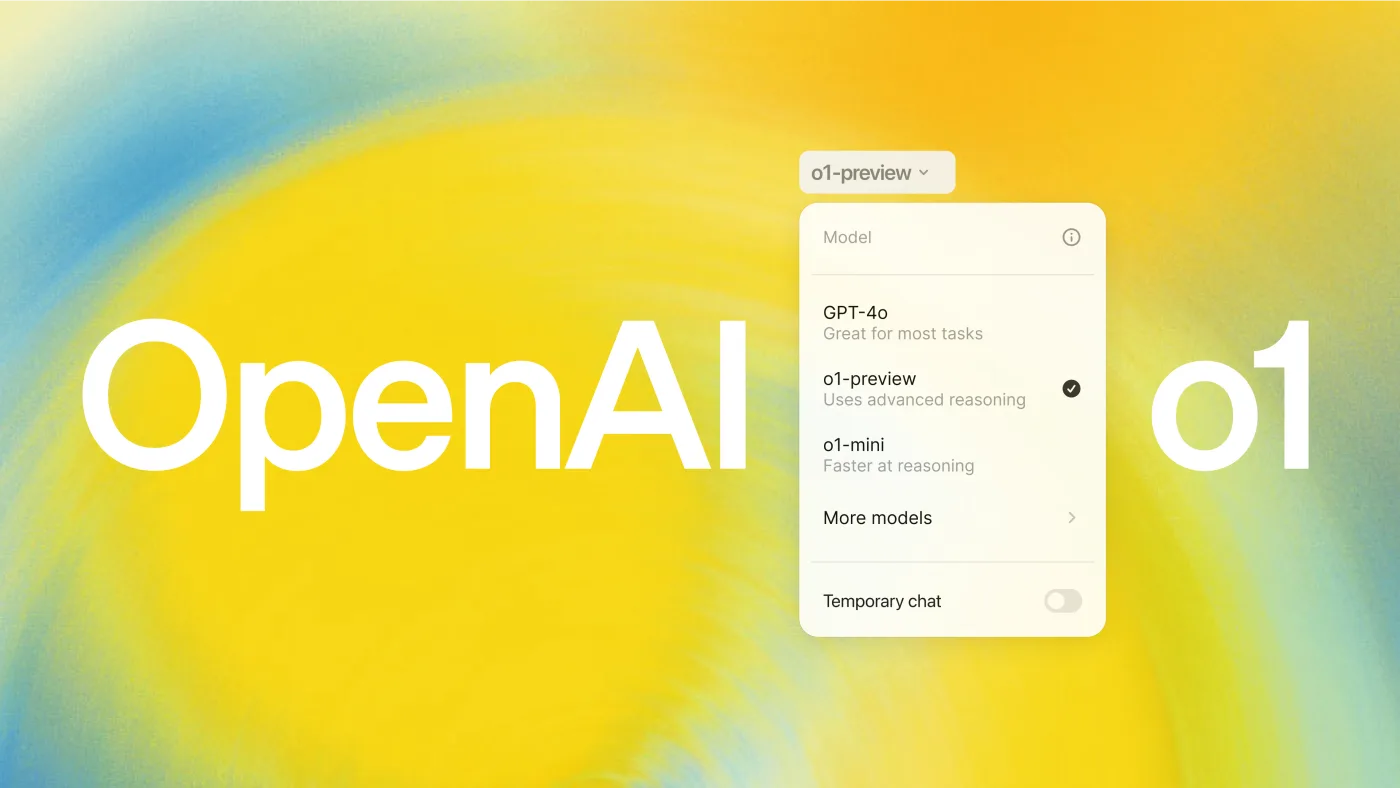
OpenAI's o1 model in ChatGPT takes a different approach to complex questions by building "thinking" into its core. The model is designed to take extra time before answering. By working through several reasoning steps, it produces better-considered answers, particularly for decisions that call for weighing things up.
"I am choosing between a fixed energy contract and a dynamic one. Can you explain the pros and cons of both in depth and give me a reasoned recommendation based on recent market trends? Think it through and give me a nuanced analysis."
When is the o1 model useful?
The model is well suited to moments of genuine doubt, such as choosing between a fixed and a dynamic energy contract, or financial decisions. It analyses several aspects of a question, which helps you make a better-grounded choice. That makes it an ideal assistant for decisions where the details and the trade-offs matter.
What makes the o1 model different?
For quick tasks the model can feel slow, but it excels where deeper analysis is needed. The longer wait buys you a more reflective process, which produces well-grounded answers that are relevant in strategic planning or long-term choices. When you are genuinely torn, as with that energy contract, the model gives you not just an answer but the reasoning behind it.
Practical advantages
You can use the o1 model as a kind of thinking partner. It approaches questions with a depth most models miss, which makes it valuable when you are looking for broader perspective and reliable support on an important decision. It offers insight that goes beyond a simple yes or no; it surfaces considerations you might otherwise have missed.
"I have a dataset with columns on customer data, such as age, purchase frequency, region and average order value. Can you analyse which factors correlate most strongly with higher spending? Please include suggestions for segments I could target to raise revenue, and describe the steps I can take to analyse those segments further."
Data analysis with the o1 model
Rather than handing back raw data, the model can put that data in context and explain the relationships in it. That is useful when you need not only the numbers but an understanding of what they mean and what to do about them. That depth of analysis makes it a valuable assistant in strategic planning.